A Used Model Y Now Sells Faster Than a Used Diesel SUV – and That Changes the Maths on Camping

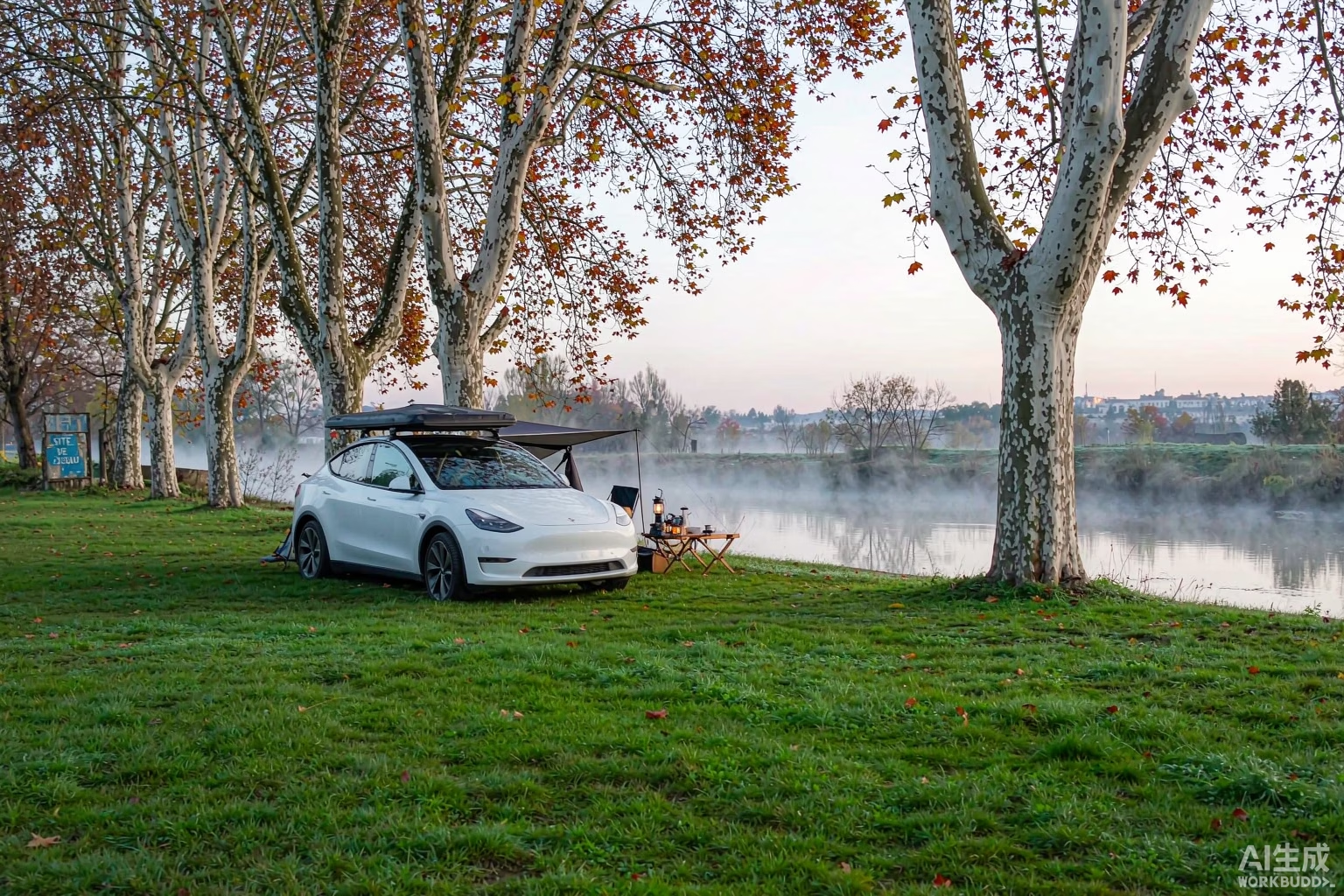
There is a number in France’s latest used-electric-car barometer that tells you more about camping than about cars. A used electric family SUV in France now sells in 83 days. A year ago it took 137. A used petrol or diesel SUV of the same size takes 141 days.
The data firm behind it, AAA Data, links the speed-up directly to one car: the Tesla Model Y. And if you have been putting off Tesla camping because of the price of a new one, that is the whole story.
The numbers
Avere-France published the Q3 2026 barometer on 9 October with AAA Data and the trade body Mobilians. Between July and September, 61,349 used battery-electric cars changed hands in metropolitan France. That is 15% below the record second quarter of 72,243, but still 40% more than a year earlier.
The top ten, briefly:
- Peugeot 208 – 4,313
- Renault Zoe – 3,935
- Tesla Model 3 – 3,712 (third, down about 10%, less than the market’s 15% fall)
- Fiat 500 – 3,679
- Tesla Model Y – 2,770 (up from seventh, +5%)
Only two models in the whole top ten grew: the Model Y and the Fiat 500. Together the two Teslas account for 6,482 sales, roughly 10.6% of France’s entire used electric market.
Why this is the camping story of the year
France is Europe’s biggest camping nation – it recorded around 43 million campsite overnight stays in the first half of 2026 alone. Roughly three-quarters of all cars sold in France are used cars. So the people turning up at French pitches next spring are, increasingly, going to be doing it in a second-hand electric SUV.
And the reason is boring and excellent: the price gap has almost closed and then reversed.
- January to September 2026, a used EV under three years old cost €33,672 on average
- A new EV cost private buyers €38,190 on average
- Once you deduct the CEE bonus on the new car, the new-car figure drops to €35,543 – so the used car is only about 5% cheaper
- Across all used EVs the average time to sell fell to 134 days, while combustion cars got slower at 147 days
A car that sells faster than its petrol equivalent is a car people want, and prices are following: recent used EVs are up 6% since January, to €35,461 in September.
The demand side is visible too. La Centrale reported searches for used electric cars up 214% between late February and 20 September as fuel prices climbed, with the average used EV reaching €25,593, up 9.7% year on year – the biggest rise of any fuel type. Stock is going the other way: down 32% in a year on the platform, and down 48% for cars under €20,000. The cheap end is being emptied.
Elsewhere the same picture: Aampere’s first EV resale index in Germany found the Model 3 and Model Y hold their value best after three years, and in the UK the Model Y was the sixth most profitable used car for dealers in Carwow’s Q3 auctions.
What nobody should gloss over
The market is being propped up by fleets, not families. Private buyer purchases fell 18% in the quarter while purchases by motor-trade professionals rose 90% – almost entirely short-term rental companies, whose leased acquisitions went from 94 cars to 1,689. That is fine for supply in two years’ time and it is not the same thing as ordinary demand today.
The new used-EV bonus is tiny. September was the first month of France’s CEE bonus on used electric cars. Of 22,428 used EVs registered, about 10,603 – 47% – looked eligible. But Avere-France puts the payment at roughly €350 and says it carries little weight; it wants the amount raised from 2027, when cars coming back off leases will flood dealer stock. The data also cannot verify the battery condition rule the bonus is supposed to enforce.
Buy the car for the camping bits, not the badge. On an older Model Y, check what you are actually getting: whether it has a heat pump, what the battery state of health is, whether it has the newer hardware, and whether the boot floor still folds flat. Those four things decide whether it is a good camping car far more than the model year does.
What a used Model Y still gives you
More than 2,000 litres of flat load floor with the seats down, Camp Mode that holds the cabin at temperature all night with no gas and no exhaust, a heat pump instead of a heater, pre-heating from the app before you get out of bed, and access to the densest fast-charging network in Europe. Every single one of those survived the price cut. That is why people are buying them second-hand.
Then spend the money you did not spend on the car:
- Tesla Inflatable Air Mattress – turns the back of the car into a proper bed in a couple of minutes
- 2048Wh LiFePO4 Portable Power Station – 2048Wh of battery for lights, pumps and phones, so the car’s own charge is untouched overnight
- Tesla Induction Cooktop – a hot meal at the pitch without fighting a camp stove in the wind
- 35L Dual-Zone Compressor Fridge – dual zone, cold drinks on one side and food that survives day three on the other
- Magnetic Mesh Bug Screens – fresh air at night without everything that flies
- Tesla Trunk Organiser Box – so the boot stays usable when it is raining and you cannot unpack properly
- Tablet Mount Holder – navigation, charging stops and the weather warning you should have read an hour ago
The cheapest way into Tesla camping stopped being a new car a while ago. The data just caught up.