Switzerland Just Had Its Best Camping Season Ever – and Five Sites Are Staying Open All Winter

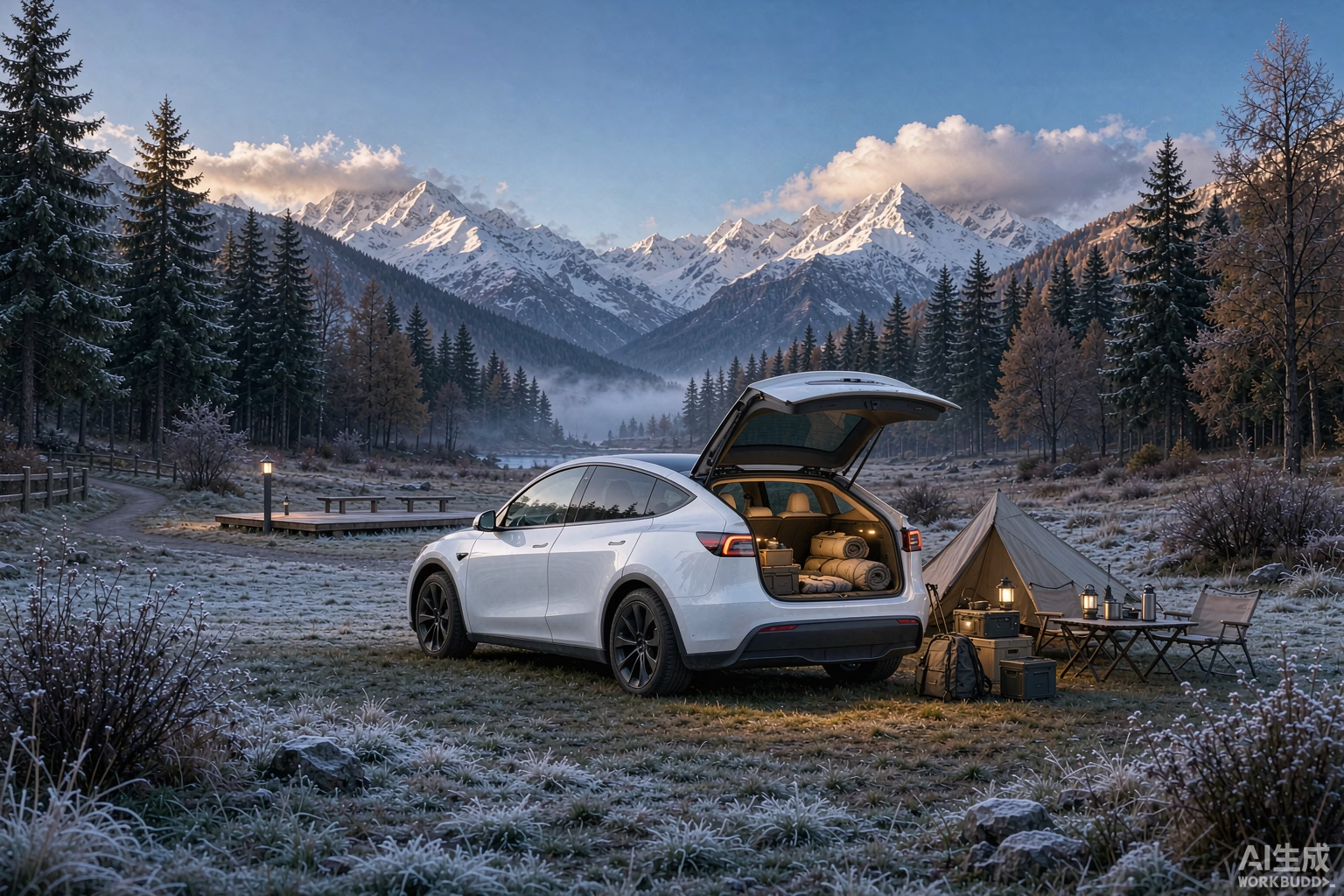
Switzerland doesn’t usually shout about its camping season. This year it has something to shout about.
The Swiss Touring Club said this week that, as of the end of September, bookings across its campgrounds had already passed 2021 – previously its record year. It now expects more than one million overnight stays for only the second time since the pandemic year.
The numbers
- Overall overnight stays up 4.8% on last year
- Individual sites up by as much as 30%
- 63% of guests were Swiss, with Germany, the Netherlands and France the biggest international markets
- The mountain sites did best: Scuol and Flims in Graubünden, Olivone in Ticino, and Interlaken in the canton of Bern
The TCS puts most of it down to weather. Spring started well around the holidays, summer ran long, and a warm sunny autumn meant people kept booking instead of packing away. It’s a useful reminder that the camping season isn’t fixed – it’s whatever the weather allows.
The wider Swiss market agrees. The Swiss Camping Association expects growth on last year, and federal statistics office data for the first half of 2026 already shows it: visitors up 2.9% in both quarters, overnight stays up 1.1% then 4.7%, with 1,560,402 overnight stays from 611,401 guests between April and June alone.
Five campgrounds that don’t close
Here’s the part that matters if you’re reading this in October. When the main season ends this month, five TCS campgrounds stay open straight through the winter:
- Flims (Graubünden)
- Lugano-Muzzano (Ticino)
- Olivone (Ticino)
- Sion (Valais)
- Solothurn
Samedan in Graubünden is the exception – it’s closing for renovation work, so check before you turn up.
Winter camping in Switzerland is not a novelty. It’s the sensible answer to a country where a hotel room can cost more than a week’s food, and where the mountains in January are the whole point of going.
Why a Tesla is a genuinely good Alpine camping car
It heats itself all night without an exhaust. This is the big one. Camp Mode keeps the cabin at a set temperature with the doors locked, and there’s no flame, no carbon monoxide risk and no generator buzzing at 6am. In a valley where the temperature drops well below freezing overnight, that is the difference between camping and endurance.
You can skip the expensive hook-up. Swiss pitches run roughly CHF 30 to CHF 70 a night depending on the site and the facilities, and the electric hook-up is part of what you’re paying for. A 2048Wh LiFePO4 Portable Power Station in the boot runs the lights, the laptops, the pump and the kettle all evening without touching the car’s battery at all – so the car is still full in the morning, and you can take the cheaper pitch.
You eat properly. Switzerland is an expensive country to eat out in and a very good country to shop in – Migros, Coop and Lidl are everywhere. A 35L Dual-Zone Compressor Fridge means one proper shop lasts the trip instead of a daily drive into town, and dual zone means one side can be a freezer, which matters when the nearest supermarket is a pass away.
You sleep off the ground. On a frosty Alpine pitch, the ground is the enemy. A Tesla Roof Top Tent gives you a flat, dry, ventilated bedroom that goes up in minutes and doesn’t care how muddy the pitch is. On milder nights – or on a site where a roof tent would look out of place – the Tesla Inflatable Air Mattress turns the flat boot floor into a real bed in under five minutes.
And the small stuff. The Tesla Induction Cooktop handles fondue-and-after without gas; Magnetic Mesh Bug Screens keep evening air moving through the car without letting midges in, which matters more than you’d think even in October; Tesla Trunk Organiser Box stops a fortnight turning into a permanent rummage; and Tablet Mount Holder puts the screen where you can actually use it for route planning and evening films.
Elsewhere the network keeps filling in, too: Tesla opened two new Superchargers in Romania this month – a 12-stall, 250 kW site in Bucharest and an 8-stall site near Iași that its own drivers voted for – taking it to 18 Superchargers across 14 Romanian cities. If your route to the Alps comes from the east or south, that’s a real corridor that wasn’t there last year.
Four things that will bite you if you don’t plan
- The passes shut. Switzerland has over 200 mountain passes and many of the famous ones close with the snow, often from October through to June. The Nufenen Pass, at 2,478 metres, is shut for roughly half the year. Check your route before you commit to it.
- Wild camping is not a thing here. It’s broadly illegal, it’s not tolerated the way it sometimes is in Scandinavia, and fines in some cantons can reach five figures in Swiss francs. Use proper sites – they’re excellent.
- You need the motorway vignette. CHF 40 for the year, and you can buy the e-vignette online before you cross the border. Don’t discover this at Basel.
- Cold costs range. Heating a cabin overnight genuinely uses battery, and cold batteries charge slower. Arrive with more margin than you’d need in July, run the evenings off the power station rather than the car, and pre-heat while you’re still plugged in.
The short version
Switzerland has just had the best camping season in its recorded history, the mountain sites led the way, and five of them simply aren’t closing. The weather did most of the work, but the other half is that more people have worked out that October and January are perfectly good months to sleep outside – if your car keeps you warm.
Mine’s a Model Y. Yours might be too. Either way, book Flims before everyone else reads this.