Europe Votes on Self-Driving Tesla Next Week — and It Could Change Every Trip to the Campsite

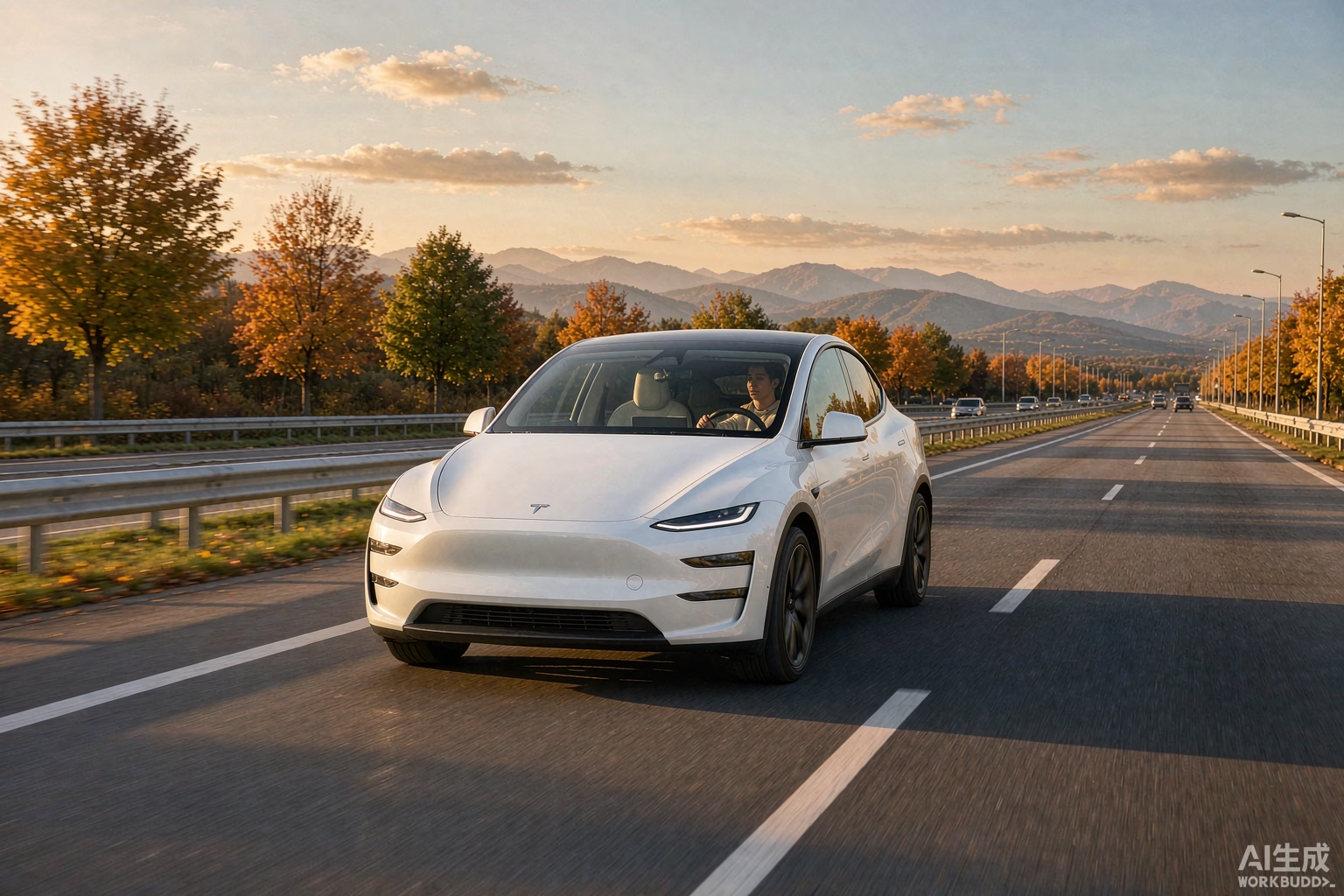
Mark the date: 6 October 2026. That is when the European Union is expected to finally vote on whether Tesla’s Full Self-Driving (Supervised) can be recognised across the whole bloc. If it passes, the single most boring part of any camping trip — the four-hour motorway grind to the lakeside — stops being work and starts being something you simply supervise. Here is where things actually stand, without the hype.
Seven Countries Have Already Said Yes
This is not starting from zero. Seven EU countries have already cleared FSD (Supervised) by recognising the original Dutch approval, and the list has been growing steadily through 2026:
| Country | Approved |
|---|---|
| Netherlands | 10 April 2026 (first) |
| Lithuania | 20 May 2026 |
| Estonia | 29 May 2026 |
| Denmark | 9 June 2026 |
| Belgium | 10 June 2026 |
| Slovenia | 7 September 2026 |
| Czechia | 21 September 2026 |
Czechia is the newest — its transport ministry only signed off a week ago, having said no back in July. Slovenia came on board earlier this month. The direction of travel is obvious.
What the 6 October Vote Actually Needs
One country saying yes is not the same as Europe saying yes. For EU-wide recognition, the Technical Committee on Motor Vehicles needs a qualified majority: at least 15 of the 27 member states, representing 65% of the EU’s population. Right now the seven approving countries hold just under 12% of the EU population, so there is a lot of ground left to cover.
Tesla has said the vote could land on 6 October — an earlier attempt at the committee’s 30 June meeting ended without a vote. It is genuinely close, and not guaranteed. Sweden’s transport agency has recommended voting against unless Tesla removes the feature that lets drivers set a margin above the posted speed limit, although the Swedish government said on 1 September that it supports EU-wide approval. Denmark cleared the system nationally but has raised objections at European level. In short: watch this space.
The Safety Numbers Tesla Put on the Table
Ahead of the vote, Tesla published a public safety dashboard on 1 September 2026. The headline figures are worth knowing before you decide how you feel about this:
- About 3 billion kilometres of Tesla driving logged in 2025.
- 100 million kilometres of FSD (Supervised) driving already done on European roads.
- Tesla claims the software records 4.1 times fewer collisions than the baseline.
Regulators will argue over methodology for a long time. But for a camper, the practical argument is simple: the tired, monotonous motorway stretch is exactly where human attention falls apart, and that is precisely the part the software is good at.
Why Campers Should Care
Think about how a camping weekend actually goes. You leave on Friday after work, already tired. You fight traffic for two hours. You arrive at the pitch in the dark, grumpy, and you still have to set up camp. If the car handles the motorway, you arrive with energy left — and that changes the whole trip.
The second point is that this arrives as a free over-the-air update. You do not buy a new car. You wake up, install the update, and the drive to the campsite gets calmer. That is the part worth remembering while everyone argues about dates and votes.
While you wait, make the arrival itself worth the trip:
- Tesla Roof Top Tent — roll in after dark and still have a proper bedroom ready in minutes.
- Tesla Inflatable Air Mattress — a flat, real mattress so the relaxed drive is followed by a real sleep.
- Magnetic Mesh Bug Screens — windows cracked for fresh autumn air, no midges invited in.
- 2048Wh LiFePO4 Portable Power Station — run the camp off-grid overnight so you never dip into the car’s range.
- 35L Dual-Zone Compressor Fridge — cold drinks and fresh food waiting the moment you park.
- Tablet Mount Holder — keep the route plan and the campsite booking on screen, hands-free.
The Bottom Line
Seven countries in, a vote expected on 6 October, and 100 million kilometres of European self-driving already logged. Whether it passes next week or later in the year, the direction is clear and it costs you nothing extra — it lands as a software update on the Tesla you already own. Pack a Tesla Roof Top Tent and a 2048Wh LiFePO4 Portable Power Station, let the car do the boring miles, and save your energy for the part that actually matters: the evening under the stars.